
Contents
Overview
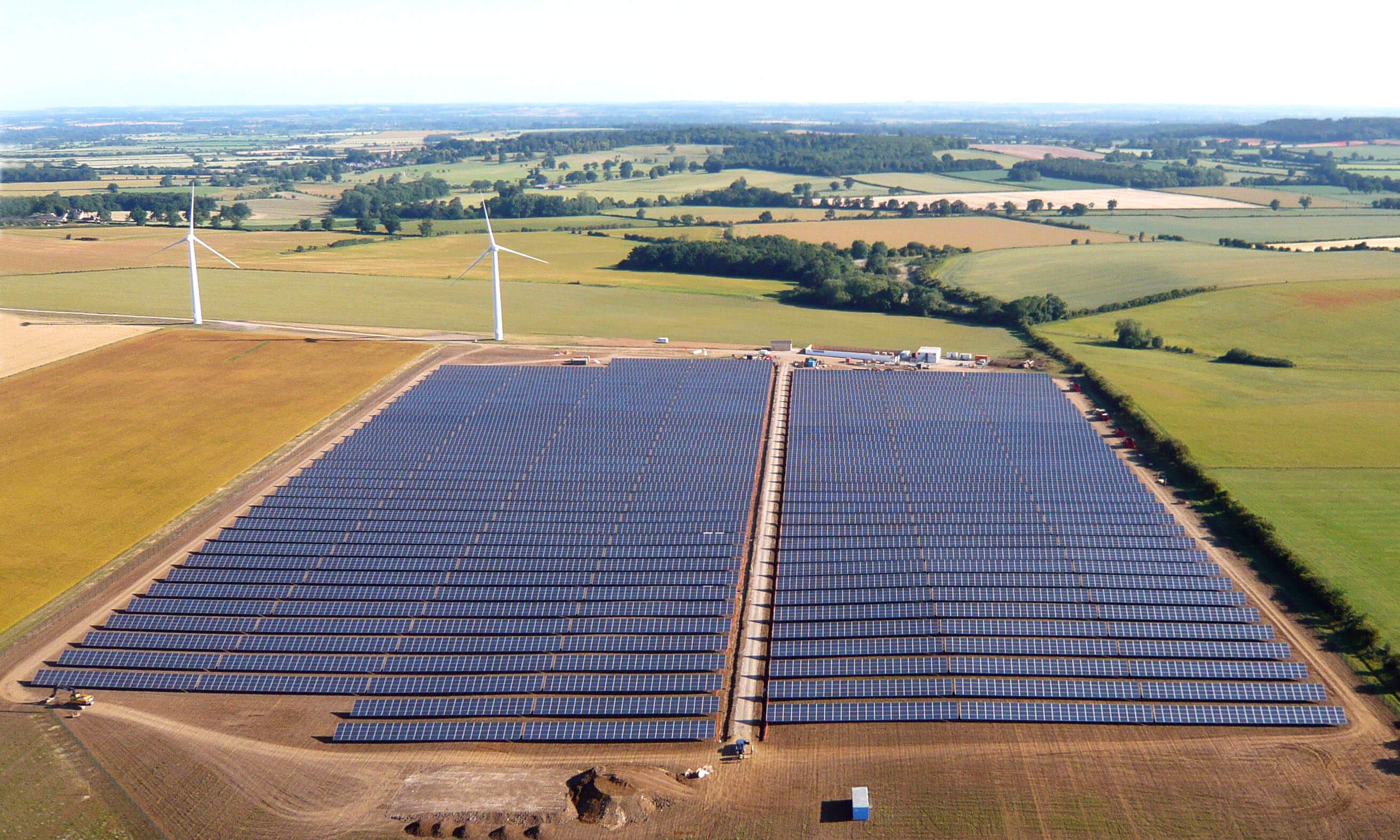
Global warming solutions encompass a broad range of strategies and technologies aimed at reducing greenhouse gas emissions and mitigating the effects of climate change. From transitioning to renewable energy sources like solar energy and wind energy to implementing sustainable land use practices, these solutions require a multidisciplinary approach. According to the Intergovernmental Panel on Climate Change (IPCC), limiting warming to 1.5 °C above pre-industrial levels necessitates a 43% reduction in global greenhouse gas emissions by 2030, underscoring the urgency of adopting and scaling up these solutions.
🌎 Introduction to Climate Change Mitigation
The quest for global warming solutions has become increasingly pressing as the world grapples with the challenges of climate change. Organizations like the UN Environment Programme and the World Wildlife Fund are at the forefront of efforts to promote sustainable practices and reduce greenhouse gas emissions. One of the key strategies involves transitioning from fossil fuels to renewable energy sources, such as hydro energy and geothermal energy, which can significantly reduce the carbon footprint of energy production.
💡 Renewable Energy Solutions
Technological innovation plays a crucial role in the development of global warming solutions. Companies like Tesla and Vestas are pioneering the use of electric vehicles and wind turbines, respectively, to reduce dependence on fossil fuels. Moreover, advancements in carbon capture and storage (CCS) technologies, as researched by institutions like the Massachusetts Institute of Technology (MIT), offer promising avenues for mitigating industrial emissions.
🌳 Sustainable Land Use Practices
Sustainable land use practices are another critical component of global warming solutions. Initiatives like reforestation and agroforestry, supported by entities such as the Food and Agriculture Organization (FAO), aim to enhance carbon sequestration and promote biodiversity. Additionally, adopting regenerative agriculture practices, as advocated by experts like Gretchen Daily, can help improve soil health, reduce synthetic fertilizer use, and minimize agricultural greenhouse gas emissions.
📊 Economic and Policy Frameworks
The implementation of global warming solutions also requires robust economic and policy frameworks. Governments and international bodies, such as the European Union and the UN Framework Convention on Climate Change (UNFCCC), are instrumental in setting and enforcing emissions reduction targets, investing in clean energy infrastructure, and promoting sustainable development. Furthermore, economic instruments like carbon pricing, as implemented in countries like Sweden and New Zealand, can provide a financial incentive for reducing emissions and transitioning to a low-carbon economy.
Key Facts
- Year
- 2022
- Origin
- Global
- Category
- climate-&-environment
- Type
- concept
Frequently Asked Questions
What are the most effective global warming solutions?
The most effective solutions include transitioning to renewable energy sources, implementing sustainable land use practices, and developing and deploying carbon capture and storage technologies. Organizations like the National Renewable Energy Laboratory (NREL) and companies like Siemens Gamesa are at the forefront of these efforts.
How can individuals contribute to mitigating climate change?
Individuals can contribute by adopting energy-efficient practices, using public transport or electric vehicles, reducing meat consumption, and supporting policies and companies that prioritize sustainability. Initiatives like the Climate Pledge and the Extinction Rebellion movement also offer avenues for personal and collective action.
What role do governments play in implementing global warming solutions?
Governments play a crucial role in setting and enforcing emissions reduction targets, investing in clean energy infrastructure, and promoting sustainable development. International agreements like the Paris Agreement and national policies such as the Green Deal in the European Union demonstrate the importance of governmental action in addressing climate change.
How can technology help in reducing greenhouse gas emissions?
Technology can help by improving energy efficiency, developing renewable energy sources, and enhancing carbon capture and storage capabilities. Innovations in artificial intelligence (AI) and Internet of Things (IoT) can also optimize energy consumption and grid management, as seen in projects like the Smart Grid initiative.
What are the economic benefits of transitioning to a low-carbon economy?
The economic benefits include creating jobs in the renewable energy sector, reducing healthcare costs associated with air pollution, and stimulating innovation and competitiveness in low-carbon technologies. Studies by the International Renewable Energy Agency (IRENA) and the World Economic Forum highlight the potential for a low-carbon economy to drive sustainable economic growth.