
Contents
Overview
The concept of sustainable monetary systems has its roots in the work of economists like Ernst Schumacher and E.F. Schumacher, who argued for a more holistic approach to economics. The idea gained momentum in the 1980s with the publication of the Brundtland Commission's report, which emphasized the need for sustainable development. Today, organizations like the World Economic Forum and the UN Environment Programme are working to promote sustainable monetary systems. For example, the International Monetary Fund has launched initiatives to integrate environmental and social considerations into its lending practices.
💰 How It Works
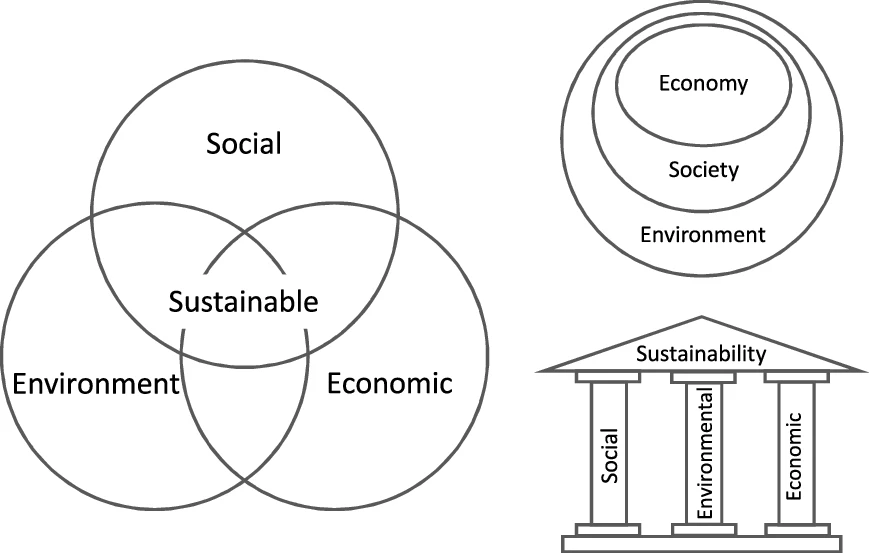
Sustainable monetary systems operate by incorporating environmental and social factors into financial decision-making. This can be achieved through various mechanisms, such as green banking, impact investing, and circular economy principles. Companies like Patagonia and Renewable Energy are already adopting sustainable practices, demonstrating the potential for businesses to drive positive change. Additionally, governments can play a crucial role in promoting sustainable monetary systems by implementing policies like carbon pricing and green taxes.
🌈 Cultural Impact
The cultural impact of sustainable monetary systems is significant, as it challenges traditional notions of economic growth and success. The sharing economy and cooperative movement are examples of alternative economic models that prioritize social and environmental well-being. Artists and activists, such as Greta Thunberg and Extinction Rebellion, are also using their platforms to raise awareness about the need for sustainable monetary systems. Furthermore, the rise of fintech and blockchain technologies is enabling the development of new, more sustainable financial systems, such as cryptocurrency and stablecoin.
🔮 Legacy & Future
The future of sustainable monetary systems holds much promise, with many experts predicting a significant shift towards more environmentally and socially responsible economic practices. The EU Green Deal and the UN Sustainable Development Goals are examples of initiatives that aim to promote sustainable development and reduce environmental degradation. As the world continues to grapple with the challenges of climate change and economic inequality, the importance of sustainable monetary systems will only continue to grow. Companies like Tesla and Vestas are already leading the way in sustainable energy and transportation, demonstrating the potential for businesses to drive positive change.
Key Facts
- Year
- 1987
- Origin
- Global
- Category
- economic-systems
- Type
- concept
Frequently Asked Questions
What is the main goal of sustainable monetary systems?
The main goal of sustainable monetary systems is to align economic growth with environmental and social well-being, addressing the limitations of traditional monetary policies. This approach considers the long-term consequences of financial decisions on the planet and its inhabitants. For example, companies like Patagonia are already adopting sustainable practices, demonstrating the potential for businesses to drive positive change.
How do sustainable monetary systems work?
Sustainable monetary systems operate by incorporating environmental and social factors into financial decision-making. This can be achieved through various mechanisms, such as green banking, impact investing, and circular economy principles. Governments can also play a crucial role in promoting sustainable monetary systems by implementing policies like carbon pricing and green taxes.
What is the cultural impact of sustainable monetary systems?
The cultural impact of sustainable monetary systems is significant, as it challenges traditional notions of economic growth and success. The sharing economy and cooperative movement are examples of alternative economic models that prioritize social and environmental well-being. Artists and activists, such as Greta Thunberg and Extinction Rebellion, are also using their platforms to raise awareness about the need for sustainable monetary systems.
What is the future of sustainable monetary systems?
The future of sustainable monetary systems holds much promise, with many experts predicting a significant shift towards more environmentally and socially responsible economic practices. The EU Green Deal and the UN Sustainable Development Goals are examples of initiatives that aim to promote sustainable development and reduce environmental degradation. As the world continues to grapple with the challenges of climate change and economic inequality, the importance of sustainable monetary systems will only continue to grow.
How can individuals contribute to sustainable monetary systems?
Individuals can contribute to sustainable monetary systems by making conscious financial decisions, such as investing in ESG-compliant funds or supporting companies that prioritize sustainability. They can also advocate for policies that promote sustainable development and reduce environmental degradation. Furthermore, individuals can participate in the sharing economy and support cooperative movement initiatives, which prioritize social and environmental well-being.